I feel like I need to start this review of A Sharper, More Lasting Pain by Alex Harvey-Rivas (they/them) with an unusual amount of personal context, stemming from this quoted passage:
“Nine months is a long time,” she echoes. And, in this moment, it feels like a lifetime.
The line stopped me short because I’m just over nine months into a battle with lung cancer I’m going to lose eventually, riding Lorlatinib’s jittery carousel and tallying every sunrise like loose change. Nine months ago I wasn’t sure if I’d still be here today. My bias, then, isn’t a footnote for this review; it’s the main percussion, drumming beneath every sentence I read and write. A Sharper, More Lasting Pain matched that beat without flinching, turning the flat thud of prognosis into something nearer a cracked bell: still ringing, but jagged and oddly luminous.
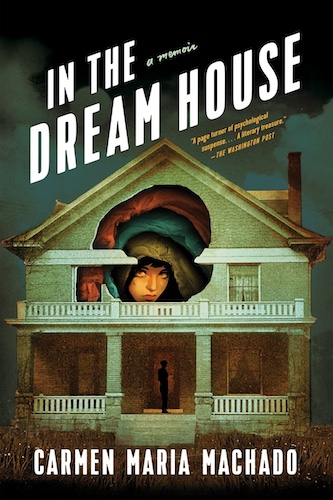
Harvey-Rivas paints bodies as embattled maps—like scalps prickling from steroid sweats—yet they never lapse into medical voyeurism. Instead, the consonance of the prose moves with tidal flow: a thrum, a lilt, then salt-sting and stillness. The characters’ symptoms blur with a speculative tremor; the library becomes like a maze of double-shelved memories, and pain itself gains a rattle, like the sound of gravel in wet lungs. It’s gorgeous, heavy stuff. Patient readers, the sort who might underline Carmen Maria Machado for the mouthfeel of each clause, will feel right at home. Plot sprinters may tap their toes and check their watch while waiting for the next jolt.
In the author’s hands, illness acts like slow water on stone—it wears at romance and friendship alike until hairline fissures creep into places the heart thought were solid granite. They track the quiet, creeping recalibration of every bond: invitations being weighed against fatigue, patience thinning to vellum, and jealousy blooming when moments feel unevenly rationed. The brilliance lies in the clarity with which the prose reflects this erosion, with sentences snagging and catching breath. By the time a character withdraws a hand or swallows a retort, we’ve already felt the tightness in our own ribs. It’s an honest, unglamorous portrait of connections under chronic siege.
One page in chapter 11 caught me mid-swallow of my ginger tea: a character tastes metal at the back of her tongue and wonders if reality itself is being recast. I flashed to my own daily side effect—that faint battery tang announcing the pill is working, or maybe plotting. Reading terminal illness fiction while eventually-terminal is less like a foggy bathroom mirror than like a funhouse: angles warp, and yet recognition lands with the force of a hammer. Harvey-Rivas doesn’t hand me hope tied up in ribbon. They offer companionship in uncertainty, and that, frankly, feels more true.
My advice on who to recommend this book to: slip its pages into the tote of anyone who loved the sensuous dread of Our Wives Under the Sea or who keeps a spreadsheet titled “Gay Gothic, Do Not Disturb”. Pass if the reader needs illness narratives spackled with easy uplift or romance sealed airtight against ambiguity.
The novel concludes with an unapologetic darkness—more akin to the shock of an unexpected blackout than to the gradual dimming of the lights as the curtain falls. Still, there’s a courageous comfort in its final moments, as though the story sits bedside, holding the hand of a dying loved one with affection and bitter anger alike.
I shut the book, counted the beats of the pulse in my neck, and found it—miracle of miracles—still beating.
Content Warnings: body horror, death, drug use, illness, terminal illness, sex and mild kink, suicidal ideation, violence, vomiting, jealousy